


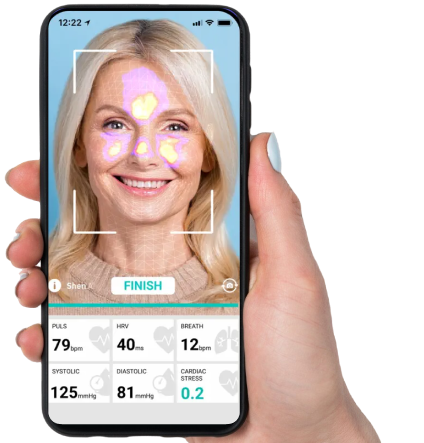
You have surely seen them on social media, blood pressure cures claiming “instant results” or a “miraculous method”? Here’s exactly how to spot these dangerous, misleading high blood pressure myths, before they affect your health.⚠️Signs that a blood pressure product or method may be ineffective or unsafe.
Avoid Anything That Says This
Be especially cautious if the advertisement includes any of these red flags (adapted to hypertension context):
- Latest breakthrough for hypertension.
- Has no analogues worldwide (claims unmatched blood‑pressure cure).
- Innovative blood‑pressure “technology.”
- Based on nanotechnology for regulating blood pressure.
- Everybody is using it to control BP.
- Explained as “according to the laws of physics.”
- Promises fast action or instant effectiveness on blood pressure.
- Patented method/machine for hypertension.
- Author’s proprietary method.
- Unique method for blood pressure regulation.
- Only available here.
- All-natural or completely natural, no “chemicals.”
- No side effects (“harmless natural remedy.”)
- Miraculous product (“panacea for hypertension.”)
- Not sold in pharmacies.
- Helps everyone, always lowers blood pressure.
- Cures almost all diseases, including hypertension.
- Helps with everything, not just BP.
- Doctors don’t know or hide this cure.
- You don’t know this secret.
- Ancient remedy (“used for centuries to treat BP.”)
- Recently rediscovered formula.
- Forgotten recipe revived for hypertension.
- Used to treat cosmonauts/astronauts suffering high BP.
- Requires no effort, no diet or exercise.
- Rapid healing (“normal BP in days.”)
- Guarantees on cure or outcome.
- Specifically marketed to vulnerable groups (e.g. elderly with hypertension).
- Gives dubious or nonexistent scientific links.
- References to nonexistent studies or sources.
- “Recommended by doctors or patients” without verifiable credentials.
- Only glowing reviews, no negative feedback.
- Uses pseudo‑scientific terminology (see below).
- Lists credentials from nonexistent or commercial academies.
- Also “endorsed by leading dog breeders” or similar absurd authorities.
🩺 Common Myths About High Blood Pressure (with reality check)
Merging these more widespread misconceptions helps flag misleading messaging:
- Myth: If you feel fine, your blood pressure must be okay.
Fact: Hypertension is a “silent killer” with no symptoms until damage happens (AARP, BioSupply Trends Quarterly). - Myth: Only older or stressed people get high blood pressure.
Fact: Even young adults and children can have elevated BP—stress or personality doesn’t guarantee risk, nor does calmness protect you (Rush University System for Health, PubMed, Keck Medicine of USC). - Myth: “White coat hypertension” isn’t serious.
Fact: Elevated BP readings at the doctor may predict sustained hypertension later; it merits monitoring and follow‑up (Rush University System for Health). - Myth: You only need to reduce salt intake.
Fact: A low‑sodium diet helps, but potassium intake, healthy weight, exercise and the DASH diet also play crucial roles (Keck Medicine of USC, EatingWell). - Myth: Coffee alone raises blood pressure.
Fact: Moderate caffeine intake generally doesn’t significantly raise BP; high alcohol intake does more damage (Keck Medicine of USC). - Myth: Medication replaces lifestyle changes.
Fact: Drugs can help, but continued healthy diet, activity, and weight control boost effectiveness (EatingWell). - Myth: Normal BMI or family history means no hypertension risk.
Fact: Hypertension can occur even with normal BMI, and family history suppresses but doesn’t eliminate risk, lifestyle still matters (EatingWell). - Myth: Once blood pressure is controlled with medication, treatment can stop.
Fact: Hypertension is usually a chronic condition; stopping meds often leads to rising BP again (Keck Medicine of USC, WebMD).
✅ What to Do Instead Get regular BP measurements at home or via ambulatory monitoring, not just at the doctor’s office
- Follow evidence‑based strategies: reduce sodium, boost potassium, follow the DASH diet, maintain a healthy weight, exercise, manage stress, sleep well (Wikipedia).
- Consult qualified healthcare professionals, never rely solely on anecdotes or internet treatments.
- Be wary of guaranteed cures, “secret” methods, or products claiming universal instant success.