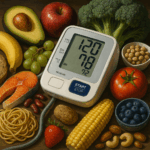



A low-carb diet might be just what your high blood pressure has been waiting for. Some claim low carb is the magic wand that lowered their blood pressure. Others report no or a very moderate effect. Let’s dive into exactly how a low-carb approach might give you the results you’ve been hoping for.
Introduction to Low-Carb Diets
Low-carbohydrate (“low-carb”) diets have become popular for weight loss and improving metabolic health. These diets limit foods like bread, pasta, rice, and sugar in favor of proteins and fats. There’s no single definition of “low-carb,” but many plans restrict carbs to under about 130 grams per day, and very low-carb (ketogenic) diets often go as low as 20–50 grams per day. By cutting carbs, the body is encouraged to burn fat for energy, which can lead to weight loss and other metabolic changes. But beyond weight loss, many people with high blood pressure wonder: can a low-carb diet also help lower blood pressure? In this article, we’ll explore the connection between carb intake and blood pressure in a friendly, informative way.
Carbohydrates and Blood Pressure: The Connection
Diet plays a major role in blood pressure regulation. High-carbohydrate diets – especially those high in refined carbs and sugars – can contribute to weight gain and insulin resistance, which are major drivers of hypertension. In fact, about 70% of the risk for developing essential hypertension is attributed to being overweight. Excess calories from carbs can elevate blood sugar and insulin levels. Chronically high insulin, in turn, may nudge blood pressure upward. Why? Insulin can cause the kidneys to retain sodium and water, which increases blood volume and pressure. This means that a carb-heavy diet (particularly one rich in sugary foods) might indirectly raise blood pressure by spiking insulin and promoting weight gain.
On the flip side, reducing carb intake often leads to lower insulin levels and initial water loss. Many people who start a low-carb diet notice a quick drop in water weight. This happens because lower insulin levels signal the kidneys to excrete more sodium, acting like a mild diuretic. The result can be a modest reduction in blood pressure early on. Of course, the long-term blood pressure benefits of a low-carb diet are also tied to losing body fat and improving overall metabolism. Next, we’ll look at what scientific studies have found about low-carb diets and hypertension.
What Research Shows About Low-Carb Diets and Hypertension
Multiple studies, including large trials and reviews, have investigated how low-carb diets affect blood pressure. Overall, the evidence suggests that cutting carbs can lead to meaningful blood pressure improvements for many people – especially when it results in weight loss. For example, a 2023 randomized trial published in Annals of Family Medicine found that a very low-carb diet significantly lowered blood pressure in adults with obesity and hypertension. In this four-month study, the low-carb group’s systolic blood pressure (the top number) dropped by about 10 mmHg on average, compared to about 5 mmHg in those following the standard DASH diet. This was a notable difference in favor of the low-carb approach, alongside greater weight loss and better blood sugar control in the low-carb group.
Earlier research shows similar promising results. In a 2010 study in Archives of Internal Medicine, researchers compared a low-carb ketogenic diet to a low-fat diet combined with the weight-loss drug orlistat. The low-carb diet produced a larger improvement in blood pressure – roughly a 6 mmHg drop in systolic and 4.5 mmHg in diastolic – which was a more favorable effect than seen in the low-fat plus medication group. Most participants in that trial had hypertension, so this finding was encouraging for low-carb diets as a tool to manage high blood pressure.
Beyond individual trials, broader reviews have weighed in on the topic. A 2009 analysis of multiple clinical trials found that people on low-carb diets tended to have slightly greater reductions in systolic blood pressure compared to those on low-fat diets (about 2 mmHg more on average). More recently, a 2012 meta-analysis pooling 17 studies (over a thousand participants) estimated that low-carb diets reduced blood pressure by about 5 mmHg systolic and 3 mmHg diastolic on average. That’s a modest drop, but certainly in the right direction. It’s important to note that not every study shows dramatic blood pressure changes – sometimes the differences between diet groups are small. However, the overall trend in scientific literature is that low-carb eating can help lower blood pressure, particularly as part of an overall weight loss and healthy lifestyle strategy.
How Low-Carb Diets May Lower Blood Pressure (Mechanisms)
Weight loss is a big part of the equation. Losing excess weight often leads to lower blood pressure, and low-carb diets can be effective for weight loss. By reducing carbs, especially refined carbs, people tend to eat fewer calories (due to increased protein/fat satiety and fewer blood sugar swings) and their bodies release less insulin. This combination helps shed body fat. Research indicates that the more a diet helps reduce body weight and improve metabolic health, the more it can improve blood pressure control. In many studies where low-carb diets lowered blood pressure, significant weight loss was achieved. In other words, it’s not a “magic” carb effect so much as the result of losing weight and abdominal fat, which relieves pressure on blood vessels.
Another mechanism is the insulin effect mentioned earlier. High insulin levels promote sodium retention, so when carb intake is cut and insulin drops, the kidneys excrete more sodium and water. This natural diuresis can lighten the fluid volume in your bloodstream, easing blood pressure. Some researchers also speculate that ketogenic diets (extremely low-carb diets that generate ketones) might have additional benefits, such as improving arterial function or reducing inflammation, which could positively impact blood pressure. Ketone bodies (produced on very low-carb diets) have been observed in laboratory studies to possibly reduce sympathetic nervous system activity (the “fight or flight” responses that can raise blood pressure) and to have anti-inflammatory effects. These direct effects are still being studied, but they offer interesting clues as to why low-carb diets might aid cardiovascular health beyond just weight loss.
It’s also worth noting that low-carb diets emphasize cutting out sugary, processed foods – which are not only bad for blood sugar but can directly or indirectly contribute to higher blood pressure. Replacing these with whole foods like vegetables, lean proteins, and healthy fats may improve overall diet quality and blood pressure as well. Many low-carb plans encourage foods rich in potassium (like leafy greens and avocados) which support healthy blood pressure, while discouraging excess refined salt. All of these factors work together to create a blood-pressure-friendly eating pattern for many individuals.
Risks and Considerations for Hypertensive Patients
If you have high blood pressure and are considering a low-carb diet, there are some important points to keep in mind. First, always involve your healthcare provider in your plan. Low-carb diets can cause fairly rapid changes – including drops in blood pressure – especially in the first weeks. If you are on blood pressure medications, those may need adjustment to prevent your pressure from going too low. Some people switching to a low-carb or ketogenic diet experience dizziness or fatigue (“keto flu”) as their body adapts; in those with hypertension, this effect can be amplified if blood pressure falls quickly. Proper hydration and electrolyte intake (salt, potassium, magnesium) are important during this transition, but be cautious with salt if you’re salt-sensitive or have been advised to limit sodium.
Nutritionally, a well-formulated low-carb diet can be very healthy, but it’s not an excuse to eat unlimited bacon and butter. The quality of fats and proteins matters. Diets high in unhealthy saturated fats could potentially affect heart health in the long run. In fact, some studies have noted that a subset of people see a rise in LDL (“bad”) cholesterol when doing strict low-carb diets. On the other hand, triglycerides often drop and HDL (“good”) cholesterol tends to increase on low-carb plans. It’s wise to have your cholesterol levels monitored and to focus on healthy fat sources (like olive oil, nuts, and fish) and lean proteins as part of your low-carb approach, rather than relying heavily on processed meats or trans fats.
Another consideration is kidney health. Low-carb diets are typically higher in protein, and while this is generally safe for people with normal kidney function, those with existing kidney disease should be cautious. There’s no evidence that high-protein intake damages healthy kidneys, but if you have chronic kidney issues, your doctor or dietitian may recommend a modified plan with less protein. As always, individual conditions vary – so personalized medical advice is key.
Lastly, remember that a “low-carb diet” can be interpreted in many ways. It doesn’t necessarily mean “no carbs at all.” You should still be eating plenty of non-starchy vegetables and an appropriate amount of higher-fiber carbs that fit within your carb limit. These foods provide important vitamins, minerals, and fiber, which support blood pressure and overall health. Many hypertensive patients do well with a balanced low-carb diet that is rich in vegetables, adequate in protein, and includes healthy fats. Such a diet naturally lowers processed carb intake and can lead to weight loss and improved blood pressure.
Conclusion: Takeaways and Talking to Your Doctor
A low-carb diet can be a useful tool for people with hypertension. Studies show that reducing carbs – especially refined carbs – may help lower blood pressure, in large part due to weight loss and favorable changes in insulin and sodium balance. Patients have seen improvements ranging from a few mmHg to more significant drops in blood pressure when adopting low-carb eating, with notable examples in clinical trials. That said, it’s not a one-size-fits-all solution. The best diet is one that you can maintain long-term and that supports your overall health.
If you’re curious about trying a low-carb diet for blood pressure, consider this approach as part of a healthy lifestyle – not a quick fix. Keep the tone holistic: emphasize whole foods, regular physical activity, stress management, and adequate sleep alongside any dietary changes. Importantly, consult your doctor before making major dietary shifts.